The Rockaway Peninsula has seen large apartment buildings rise for generations. The first major wave hit in the 1950s, when thousands of New Yorkers moved in after World War II. Today, Rockaway is experiencing another surge—more residents, more development, and more high-volume residential complexes than ever before.
For this discussion, Ocean Park Apartments on Beach 17th Street in Far Rockaway and Dayton Towers on Shore Front Parkway serve as examples. We know these complexes firsthand—having lived in one of them—and they represent the size, scale, and challenges of many buildings across Rockaway.
But to be clear: the issues described here can happen in any apartment building. These two simply help illustrate the point because of their size.
Contact the dedicated slip and fall attorneys at Goldstein Bashner today for a free consultation.
Ocean Park has more than 600 units. Dayton Towers—spread across several buildings—has even more. When buildings reach this scale, you naturally see:
When thousands of people move through the same lobbies, elevators, stairwells, gyms, laundry rooms, and outdoor areas every day, the odds of slip-and-fall incidents increase significantly.
In large buildings, hazards can develop anywhere on the property. Some of the most common locations include:
The larger the building, the harder it is to monitor and address every hazard in real time.
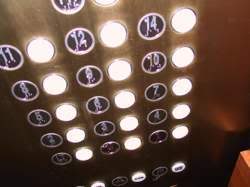
In high-rise buildings, elevators are essential. When maintenance is delayed—or when landings are uneven, floors are wet, or the car stops abruptly—residents and visitors are at risk.
Slip-and-falls while entering or exiting elevators are more common than most tenants realize, especially in complexes with thousands of daily elevator trips.
Many Rockaway buildings date back decades. With age comes:
A leak in one apartment can cause slippery conditions in the hallway or lobby below. If maintenance staff do not repair the source or properly clean the area, someone will eventually get hurt.
I have personally seen everything from ceiling collapses inside apartments to water pooling around elevator doors—problems that stem from the sheer complexity of maintaining massive residential structures.
In high-occupancy buildings, tenants often:
Sometimes the response is immediate. Other times, days go by without action. Sometimes repairs begin but stop halfway.
Slip-and-fall injuries frequently occur during that in-between period—after a problem is reported but before someone addresses it.
Even three-story walk-ups, older multifamily homes, or converted houses face issues such as:
You do not need to live in a 600-unit building to experience unsafe conditions.
Security problems—lack of cameras, poor lighting, or weak access control—also contribute to injuries and assaults in many large buildings. This important topic will be covered in a separate post.
Having lived in one of the buildings mentioned, we know firsthand how challenging it is to maintain a massive apartment complex. Tenants pay rent, and in return, building owners and managers must keep the property safe, functional, and free of hazards.
Slip-and-falls are not random “accidents.” Many are the direct result of hazards that should have been fixed sooner.
If you were injured in Ocean Park Apartments, Dayton Towers, or any building in the Rockaways, contact us. We will help you understand what happened and discuss your next steps.
Goldstein and Bashner