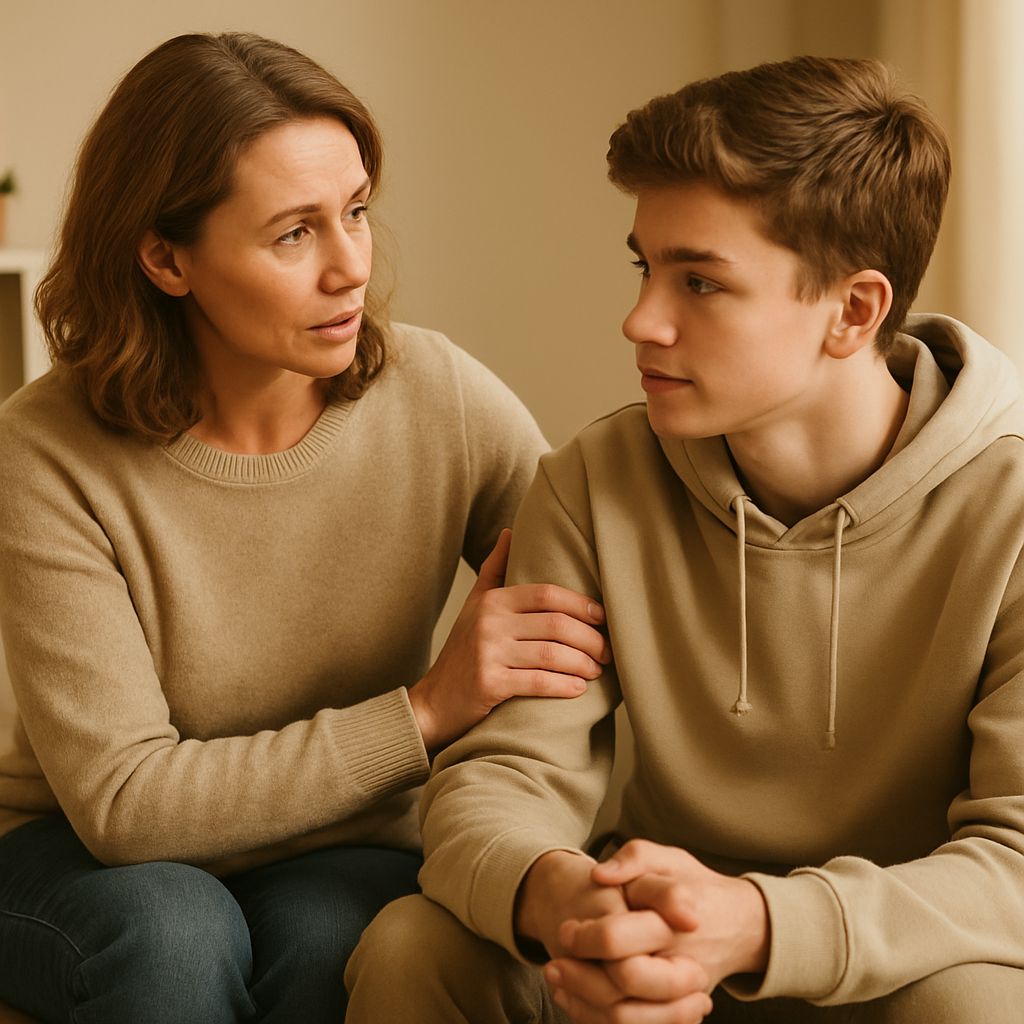
Placing a child in a residential facility is one of the hardest decisions any parent could face. Whether you live in Rockaway, Long Island, Queens, Brooklyn, or anywhere else in New York, the feelings are the same — fear, uncertainty, hope, and a desperate need to know that your child will be safe, supervised, and genuinely helped.
For many families, this decision comes after months or years of emotional struggle. When a child is dealing with significant mental-health challenges, trauma, or behavioral issues, sometimes a residential program is recommended because the child needs a higher level of support than what can be provided at home.
New York has dozens of licensed programs for children and teens — everything from small group homes to campus-based residential treatment centers. Programs like Green Chimneys, Northern Rivers, Hillside, and others across the state are examples of the types of facilities families often come across when searching for help.
But no matter the program, parents always ask the same question:
“How do I make sure my child is safe once they’re living there?”
After representing families whose children were harmed in residential settings, we have learned certain core truths. What follows is a clear, practical, and honest guide for any New York parent trying to oversee a child placed in one of these programs.
Contact a dedicated premises liability attorney from our firm today for assistance.
Any facility caring for minors in New York must be licensed by the correct state authority. Depending on the type of program, which could include:
• The Office of Children and Family Services (OCFS)
• The Office of Mental Health (OMH)
• The Department of Health (DOH)
• Local county or state oversight agencies
Licensing ensures there are rules, audits, required staff ratios, training requirements, and minimum safety standards.
Before agreeing to placement, parents should:
• Verify licensing through the agency’s website
• Review any available inspection reports
• Confirm the facility is in good standing
• Ask whether there have been any corrective actions or official findings in the last few years
If a facility cannot clearly explain its licensing or avoids the topic, treat that as a serious warning sign.
Most major residential programs have public footprints. Parents can and should look for:
• Reviews from other families
• News articles
• Information on social media
• Parent forums on Facebook or community pages
• Available public records of complaints
• Any history of legal claims or investigations
You are not searching to judge the facility; you are checking patterns.
If you see multiple parents discussing the same issue, such as poor communication, frequent incidents, unexplained injuries, or high staff turnover, pay attention. Patterns usually point to systemic problems.
Parents learn more in one afternoon on-site than from any brochure or website.
During your visit, observe:
• How staff interact with children
• How children interact with each other
• Whether supervision is constant or inconsistent
• Cleanliness and organization
• Staff demeanor — calm, overwhelmed, supportive, impatient
• Physical layout, including visibility, blind spots, and overcrowded spaces
Ask for a full tour of classrooms, cottages, dorms, recreation areas, bathrooms, dining halls, and outdoor spaces.
A good facility welcomes your questions. A bad one rushes you.
Parents sometimes hesitate to ask tough questions. You should not.
Staffing:
• What is the staff-to-child ratio during the day?
• What is the ratio overnight?
• Are staff awake and present overnight, or asleep on call?
• What training do staff receive on de-escalation, trauma, and behavioral issues?
Supervision:
• Are children ever left unsupervised?
• How are transitions handled, such as wake-up, showers, meals, and recreation?
• Who supervises hallways, dorms, and outdoor areas?
Mixed-Gender Issues:
• Is the facility co-ed or single-sex?
• If co-ed, how often do boys and girls interact and under what supervision?
• Are living spaces and bathrooms fully separated?
• How does the facility prevent inappropriate contact or sexualized behavior among youth?
This is a major safety issue.
Ask:
• How does the program separate younger children from older teens?
• Are 12–13-year-olds ever housed near 16–17-year-olds?
• Are group activities mixed by age or separated?
• Does supervision increase in mixed-age settings?
A 13-year-old should not be placed in the same daily environment as a 17-year-old without heavy supervision. This is common sense and far too often overlooked.
You should know:
• How often your child can call home
• Whether calls are supervised
• Whether video chats are allowed
• How often you can visit
• Whether staff will notify you immediately of incidents or injuries
• How often you will receive updates on treatment and behavior
A good program encourages communication. A weak program restricts it or becomes defensive when asked.
Many parents assume that once their child is placed, they lose control. That is not true.
You have every right to:
• Ask for updates
• Review incident reports
• Request meetings with staff
• Attend treatment-planning sessions
• Visit unannounced where permitted
• Document concerns with dates and names
Your involvement is one of the strongest protective factors your child has.
Children may try to hide their fear or discomfort. Subtle changes matter, including:
• Sudden silence
• Avoidance
• Saying they cannot talk
• Dramatic shifts in mood
• Fear of staff or other children
• Reluctance to return to the residence after a home visit
When something feels off, do not dismiss it.
If you believe your child is:
• Not being supervised properly
• Being bullied or intimidated
• Struggling emotionally in ways the facility is not addressing
• Not receiving required treatment
• Being harmed or put at risk
• Or simply not safe
You have the right to take action.
You can:
• Demand explanations
• Request documentation
• Contact the appropriate state oversight agency
• Remove your child
• Speak to an attorney who understands these cases
Residential programs have a legal duty to keep children safe. When that duty is broken, harm can follow — physical, emotional, and psychological.
As a firm that has handled cases involving residential programs in New York, we tell every parent the same thing: your presence matters. When a facility knows a parent is involved, asks tough questions, and shows up, children are safer.
You cannot control everything that happens inside a residential facility. But you can control how informed, observant, and proactive you are. And that can make all the difference.
If you have concerns about your child’s safety in a residential program, you do not have to handle them alone. Our firm represents families across New York in cases involving residential facilities and child safety.
To discuss your concerns and learn your legal options, contact us today for a confidential consultation.
Goldstein and Bashner